


Chinese Lantern Festival Origin and History: The Evolution of a Luminous Celebration
- ForestPainting
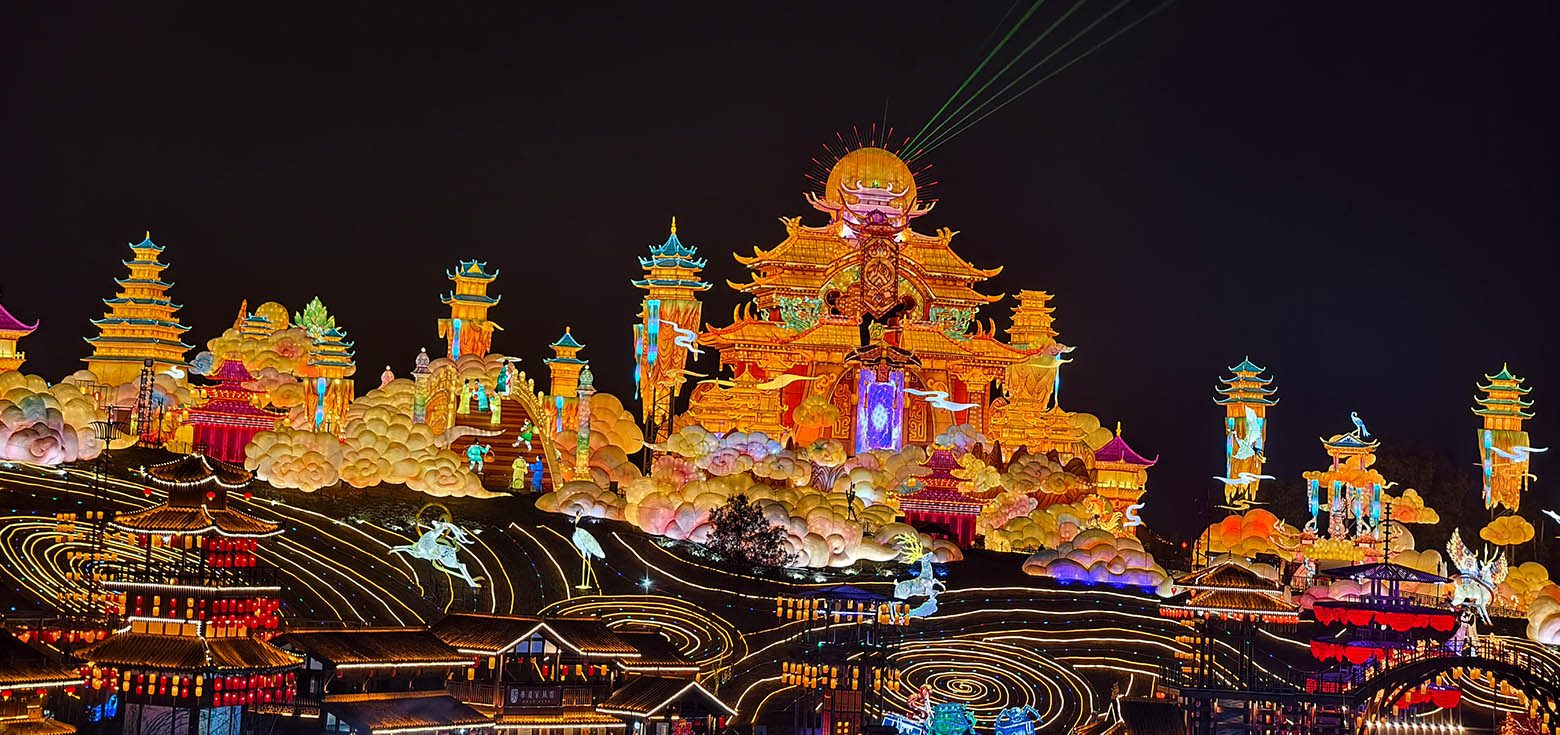
The Chinese Lantern Festival, also known as the “Festival of Lights” or “Shangyuan Festival,” serves as the grand finale of the Lunar New Year celebrations for the global Chinese community. To deeply understand the Chinese Lantern Festival origin, one must trace it back to the Han Dynasty, over two thousand years ago. Furthermore, to unravel complete Chinese Lantern Festival history, one must examine its entire evolutionary trajectory—from court rituals to a celebration for the masses, and finally, to a modern cultural symbol.
This article systematically analyzes the background of the festival’s birth, its developmental context, and the inheritance and innovation of its cultural core.
The Lantern Festival Origin: Triple Cultural Genes of the Han Dynasty
Research into the origin of the Lantern Festival indicates that it was not born from a single event, but rather was the result of the fusion of multiple cultural traditions during specific moments in the Han Dynasty (202 BC – 220 AD).
1. The Source of Royal Sacrifice: Worship of the "Taiyi God"
During the reign of Emperor Wu of the Han Dynasty (141 BC – 87 BC), the 15th day of the first lunar month was established as the official auspicious day to worship “Taiyi,” the supreme deity. The sacrificial ceremony was grand, requiring lanterns to be lit throughout the night to achieve the effect of “communicating with the gods”. This state-level ritual established the initial time frame for the festival and the prototype of the core ceremony of “lighting lanterns,” marking the starting point of the Chinese Lantern Festival history in official records.
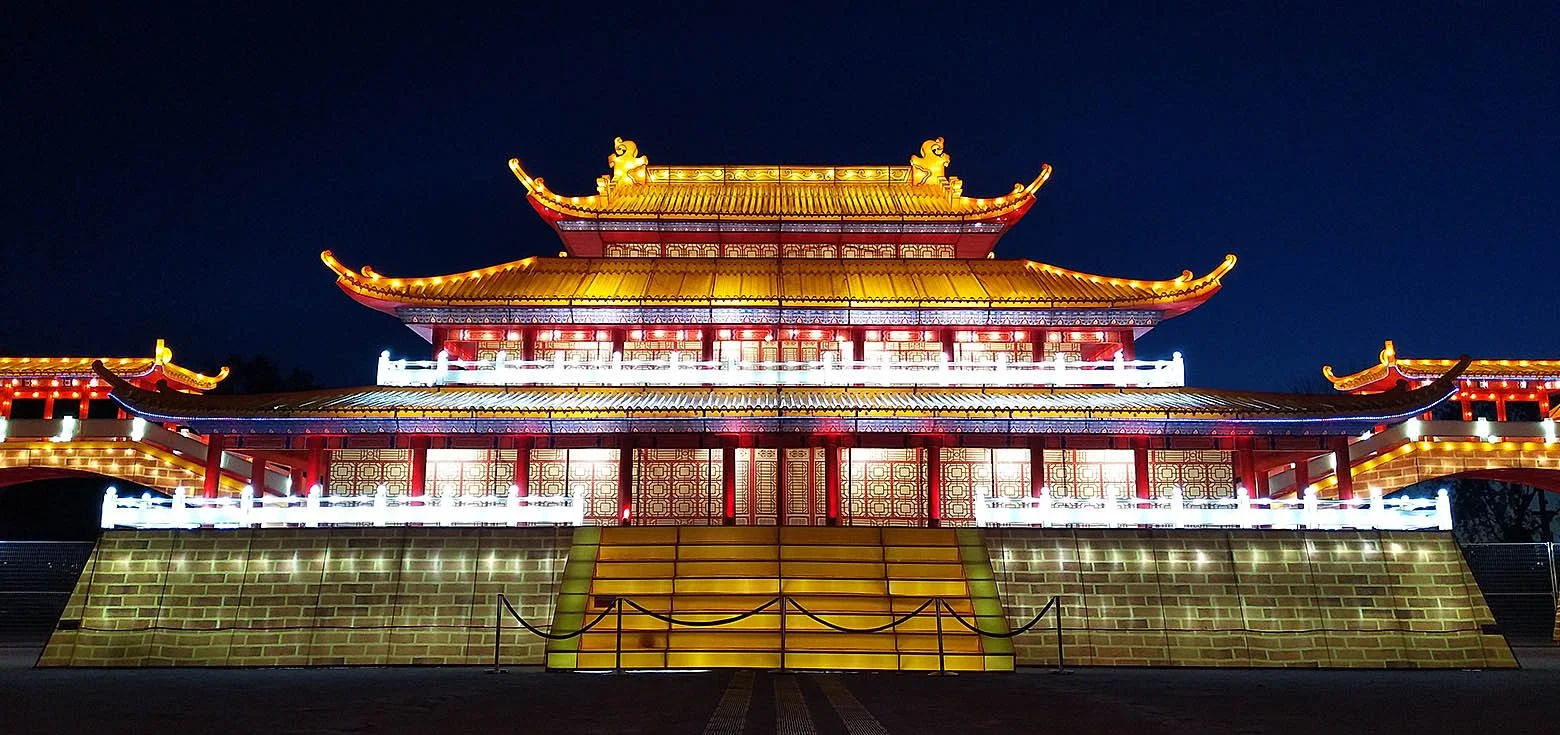
2. The Infusion of Buddhist Culture: The Fusion of "Burning Lamps to Worship Buddha"
During the Eastern Han Dynasty, Buddhism was introduced to China. To promote Buddhism, Emperor Ming of Han ordered the “burning of lamps to worship Buddha” in the imperial court and temples on the night of the 15th of the first lunar month. This custom, originating from a foreign religion, was ingeniously combined with the indigenous tradition of worshipping on the first full moon of the year. This not only reinforced the central status of fire and light in the festival but also reflected Chinese civilization’s ability to absorb and integrate foreign cultures, enriching the layers of the origin of the Lantern Festival.
3. The Foundation of Folk Agriculture: Torches to Drive Away Evil and Pray for Harvest
At a more ancient folk level, there was an agricultural tradition during early spring (around the first lunar month) of using torches to illuminate fields, drive away pests and beasts, and pray for a bountiful harvest in the coming year. This simple folk activity laid a deep social foundation for the Lantern Festival to later develop into a participatory event characterized by “noise” and “joy”. These three sources—official rituals, religious propagation, and agricultural customs—together constituted the “triple cultural genes” upon which the Chinese Lantern Festival took root.
The Chinese Lantern Festival History: A Celebration Moving from the Court to the World
Looking at the Chinese Lantern Festival history, its development clearly presents a trajectory moving from the sacred to the secular, and from China to the world.
Wei, Jin, Northern and Southern Dynasties to Sui: The Transition from Ritual to Festivity
During this period (220 AD – 618 AD), literature recording activities on the night of the 15th of the first lunar month gradually increased. The festival began to separate from strict religious sacrifices, incorporating elements of recreation and entertainment. For example, Emperor Jianwen of the Liang Dynasty (Southern Dynasties) wrote the “Ode to the Array of Lamps,” depicting scenes of brilliant lights, which indicates that lantern viewing had become an elegant pursuit appreciated by the literati.
The Tang Dynasty: A Statutory Holiday and Carnival
The Tang Dynasty (618 AD – 907 AD) represented the first peak in the history of the Chinese Lantern Festival. The government officially designated it as a statutory holiday for the first time and pioneered the three-night practice of “Jinwu Chijin” (the lifting of the curfew). The capital, Chang’an, presented a magnificent scene where “trees of fire and flowers of silver bloom together,” and citizens partook in all-night revelry with various performances. This marked the Lantern Festival’s complete evolution into a legal, nationwide social carnival, solidifying its character of “universal celebration”.
The Song and Yuan Dynasties: Peak Customs and Solidification
The Song and Yuan Dynasties (960 AD – 1368 AD) pushed the Lantern Festival celebrations to unprecedented prosperity. The holiday was extended to five or six days, and the highly developed commercial economy gave birth to massive lantern markets and rich entertainment activities.
The Ultimate in Lantern Art: Ingeniously structured “revolving lanterns” (Zouma Deng) and mountain-like “Aoshan lanterns” appeared, making colored lantern crafting an independent art form.
The Birth of Lantern Riddles: Scholars pasted riddles on lanterns, creating the intellectual game of “guessing lantern riddles,” which appealed to both the refined and the popular, greatly enriching the cultural connotation of the festival.
The Popularization of “Yuanxiao” (Tangyuan): The custom of eating sticky rice balls, symbolizing reunion, became widely popular and fixed, making “reunion” the core emotional theme of the festival.

The Ming and Qing Dynasties: Deepening Traditions and Local Characteristics
The Ming and Qing dynasties (1368 AD – 1912 AD) largely inherited the festival framework of previous eras while embedding it deeper into folk society. Famous festival landmarks emerged, such as the Dengshikou in Beijing, the Qinhuai River Lantern Fair in Nanjing, and the Zigong Lantern Fair in Sichuan. Simultaneously, various regions developed unique forms of celebration based on their own cultures—such as stilt walking and dragon dances in the North, and the lotus boat dance in the South—showcasing the diversity and vitality of the Lantern Festival culture.

Modern Times: Preservation, Inheritance, and Innovative Transformation
Entering the 20th century, and especially since the 21st century, the development of the Chinese Lantern Festival has entered a new stage of innovation within preservation and transformation within inheritance.
Confirmation of Cultural Identity: In 2008, the Lantern Festival was listed in China’s National Intangible Cultural Heritage list, officially recognizing its status as an important carrier of cultural heritage.
Modern Expressions of Form: Traditional lantern fairs have deeply integrated with modern technologies like sound, light, and electricity, producing new forms such as light shows and drone performances. Virtual lantern riddle guessing on social media and online lantern fair livestreams have revitalized this ancient festival in the digital age.
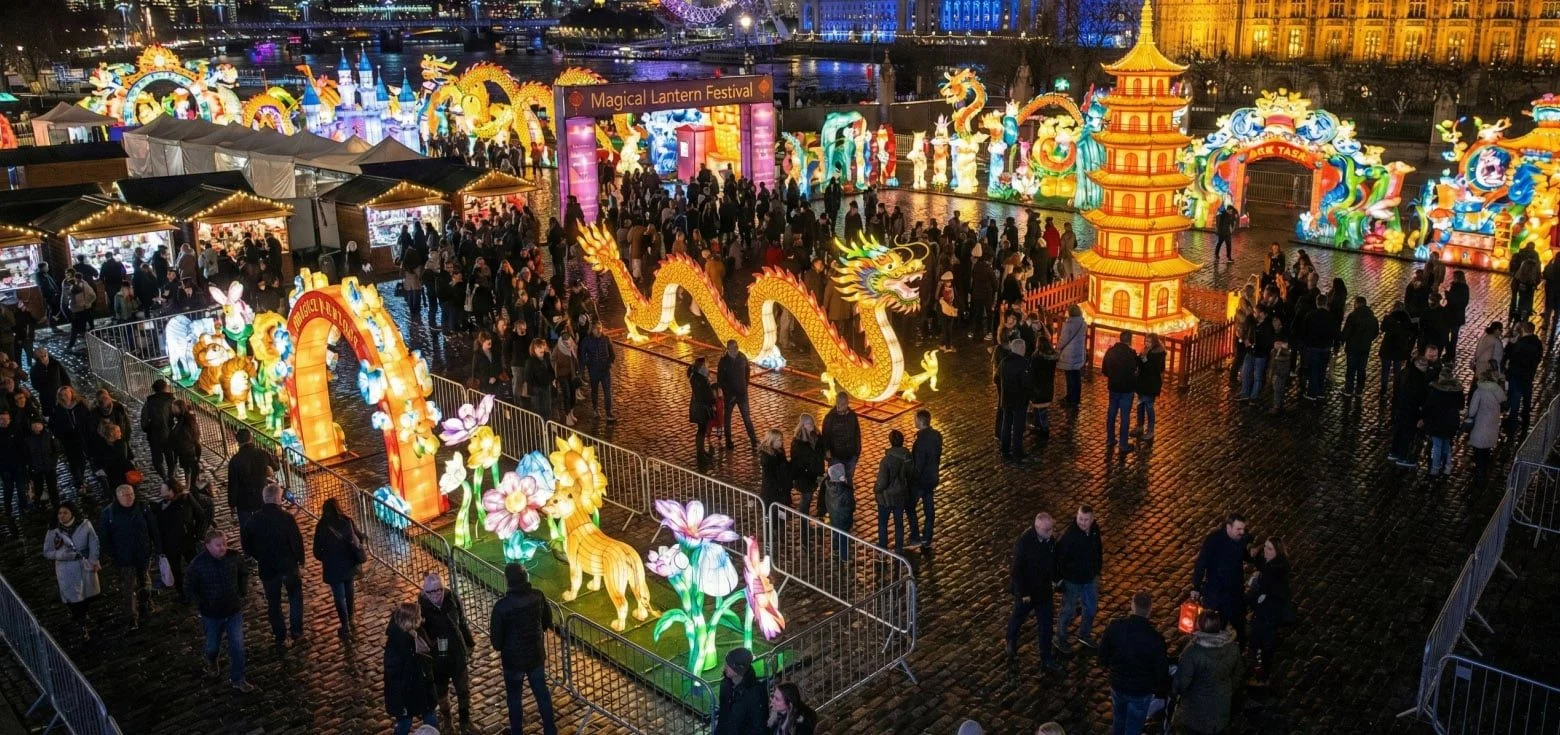
Expansion of Global Influence: As the footprints of Chinese people have spread across the globe, the Lantern Festival has become an important item on the cultural calendars of many international metropolises (such as New York, London, and Sydney). It has moved from Chinatowns to mainstream society, becoming a vivid display of Chinese cultural soft power.
Core Spirit: Eternal Light and Hope
Reviewing the Chinese Lantern Festival origin and its long history, we can clearly see it as a deep-rooted and flourishing cultural tree. Its “roots” are deeply planted in the fertile soil of the Han Dynasty’s multiculturalism; its “trunk” grew strong during the prosperity of the Tang and Song dynasties, forming solid customs centered on lantern viewing, riddle guessing, and eating Yuanxiao; and its “leaves” are constantly sprouting new branches in the spring breeze of globalization and modernization, presenting myriad forms.
Although the forms of celebration continue to innovate with the changing times, the core spiritual essence of the Lantern Festival—the praise of light, the longing for reunion, the prayer for the new spring, and the embrace of secular joy—has transcended two thousand years of time and remains ever new. It is not only a cultural bond connecting Chinese people globally but also provides a bright window for the world to understand the Chinese traditional concepts of time, family, and optimism. This continuing history of the Lantern Festival is the best example of the perfect combination of continuity and innovation in Chinese civilization.