


Chinese Lantern Festival Traditions: A Cultural Celebration Spanning Millennia
- ForestPainting
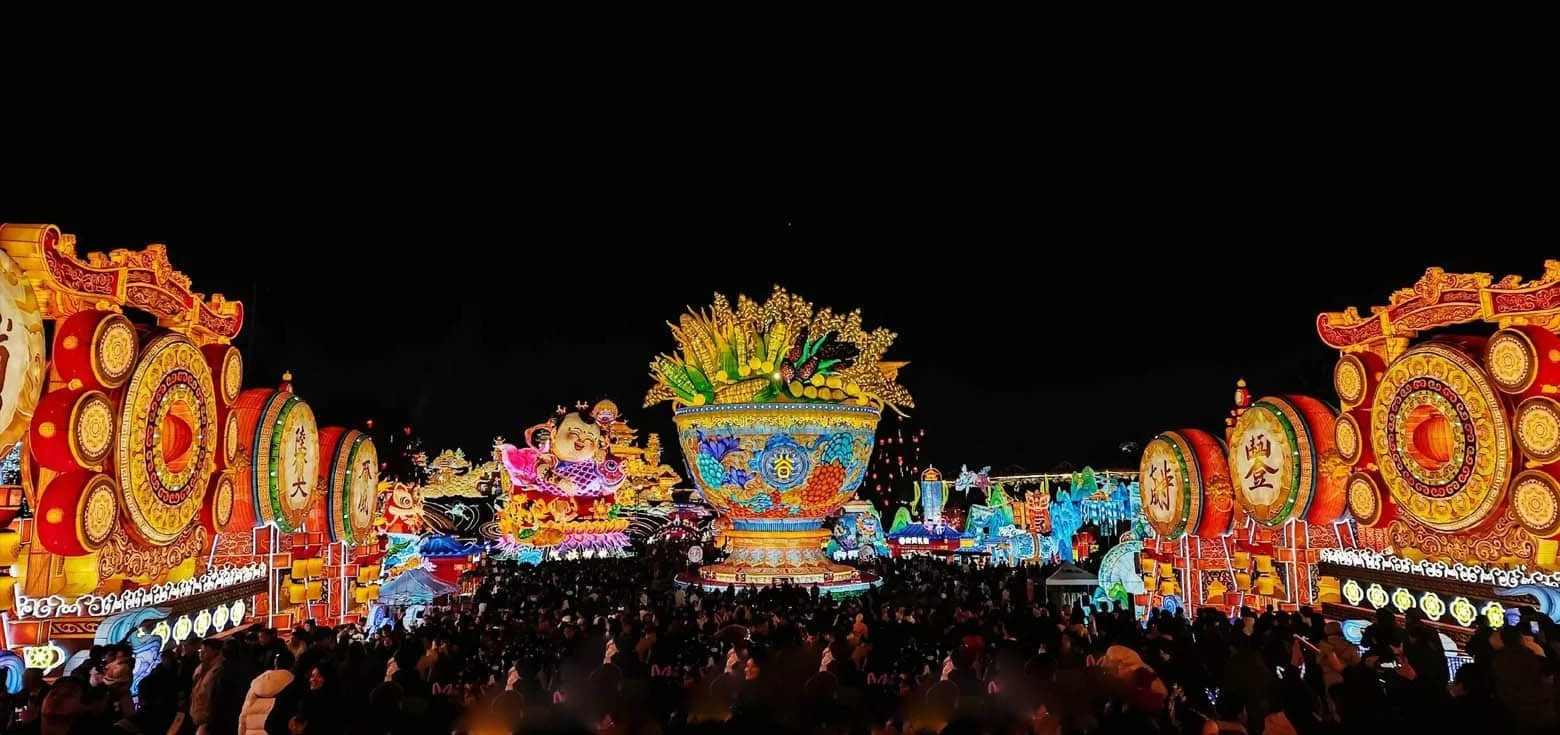
The Lantern Festival marks the grand finale of the Lunar New Year celebrations. As night falls and the full moon hangs high, thousands of households light up lanterns and share Tangyuan (glutinous rice balls), celebrating this ancient festival themed around “reunion” and “brightness.” These vibrant Chinese lantern festival traditions are far more than just lively activities; they carry profound cultural codes, evolving from ancient blessing rituals into emotional bonds that connect Chinese people globally today.
Core Customs and Activities: A Complete Panorama from Lantern Viewing to Folk Games
Lantern Festival customs form a complete cultural symbol system, where every practice embodies the profound understanding ancient people had of nature, society, and family.
1. Viewing Lanterns: A Celebration of Light
Viewing lanterns is the most iconic custom, tracing its origins back to the combination of Han Dynasty palace sacrifices and Buddhist lighting rituals.
Historical Evolution: In the Tang Dynasty, “lantern markets” were formed, followed by grand “lantern mountains” and intricate “revolving lanterns” in the Song Dynasty. By the Ming and Qing Dynasties, distinct regional festivals emerged, such as the Imperial Palace Lantern Fair in Beijing and the Qinhuang lantern displays in Nanjing.
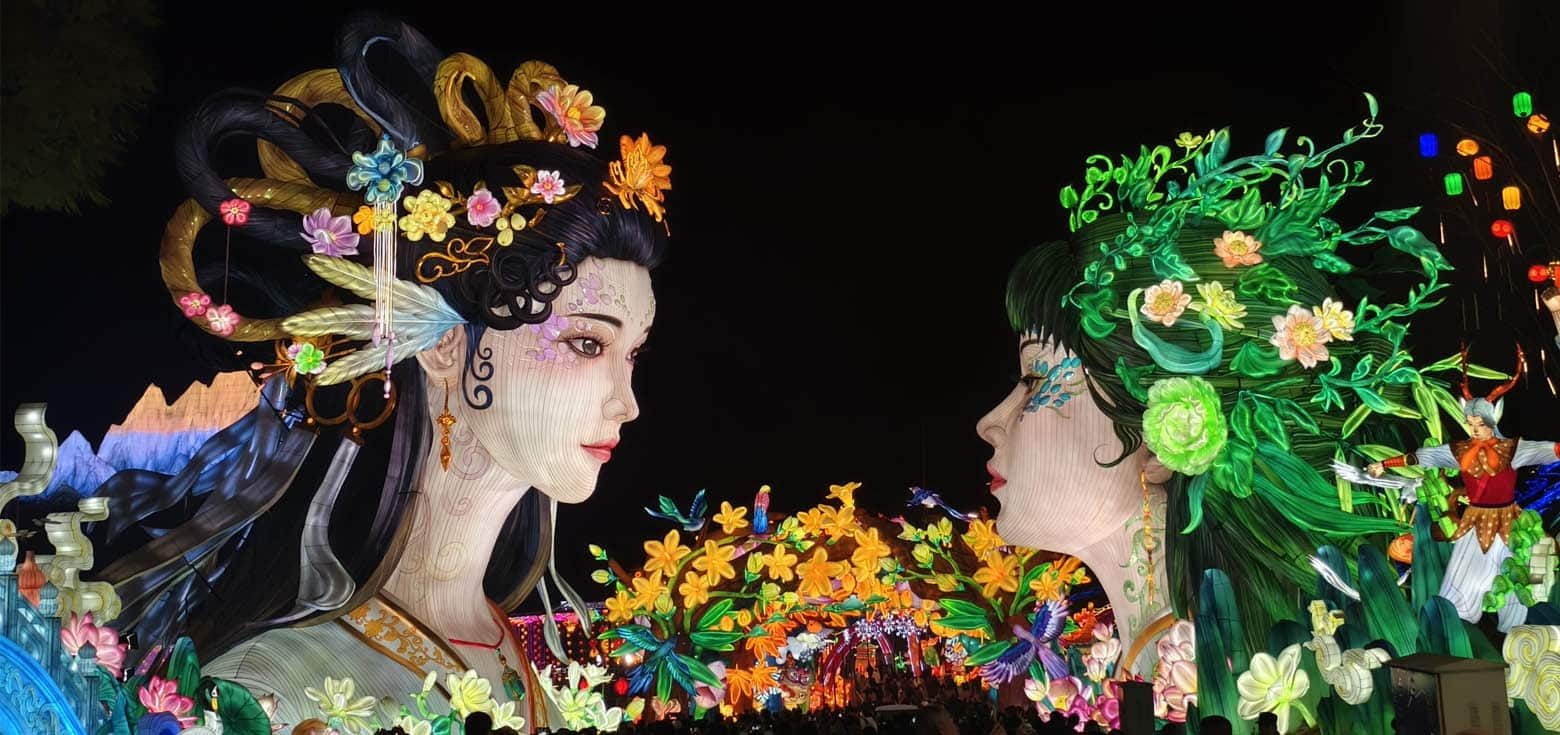
Modern Forms: Today’s festivals blend traditional craftsmanship with modern technology. The Zigong Lantern Festival in Sichuan and the Yuyuan Lantern Festival in Shanghai are renowned for their grand scale and innovative designs. Lantern varieties have evolved from traditional palace and silk lanterns to massive themed light sets and light shows.
Cultural Significance: The lights symbolize wisdom dispelling ignorance and light conquering darkness, representing a wish for a bright future in the coming year.
2. Guessing Lantern Riddles: An Intellectual Game for All
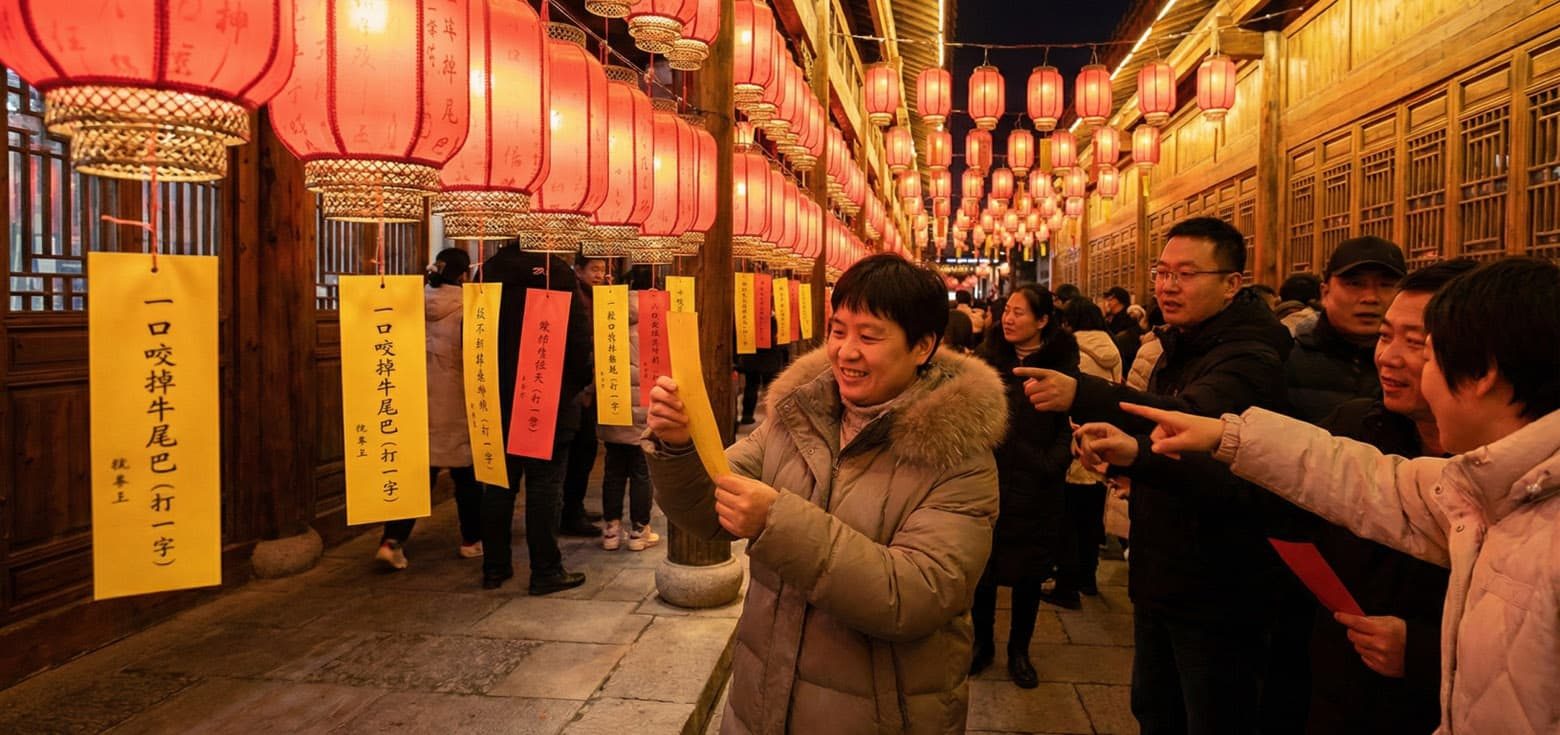
Guessing lantern riddles is a unique cultural activity of the Lantern Festival, dating back to the Song Dynasty when scholars would paste riddles on lanterns for people to solve.
Characteristics: Riddles often utilize the structure, rhyme, and multiple meanings of Chinese characters, incorporating elements from poetry, historical figures, and natural phenomena.
Social Function: This activity breaks down social barriers, allowing commoners and scholars to compete on the same stage, reflecting the inclusivity of traditional culture. Modern online and offline riddle events have revitalized this tradition.
Cultural Value: Lantern riddles are a concentrated embodiment of the uniqueness of Chinese characters and are hailed as “the shortest literary works.”
3. Eating Yuanxiao (Tangyuan): The Symbol of Reunion
Consuming glutinous rice products that symbolize reunion is the most important dietary custom of the festival.
North-South Differences: In the North, they are called “Yuanxiao” and are made by “rolling” the filling in flour; in the South, they are called “Tangyuan” and are made by “wrapping” the filling. Flavors have evolved from traditional sesame and peanut to innovative options like fruit and flowers.
Ritual Significance: The round shape symbolizes family reunion and a complete life, while the sweet taste implies a sweet life ahead. Sharing these treats strengthens family bonds and solidifies the reunion theme of the festival.
Health Evolution: Modern versions include low-sugar and gluten-free options to meet diverse dietary needs.

4. Dragon and Lion Dances: A Carnival of Auspiciousness
Dragon and lion dances are the most bustling street performances, symbolizing the warding off of evil spirits and the welcoming of good fortune.
Regional Features: Northern dragon dances are majestic, while Southern lion dances (Walking Lion) are known for their high skill. Guangdong’s “Lion Picking the Greens” and Fujian’s “Dragon Lantern Dance” each have unique characteristics.
Community Participation: These performances are often organized by communities, enhancing collective cohesion. In overseas Chinese communities, they serve as a vital form of showcasing Chinese culture.
Cultural Fusion: Traditional performances continue to integrate modern elements, such as LED decorations and modern musical accompaniment.

5. Folk Games and Prayers
Beyond viewing lanterns and guessing lantern riddles, the streets are filled with lively folk activities.
Stilt Walking and Land Boat Dances: Stilt walkers interact with the crowd from high above with exaggerated costumes, while “Land Boat” dancers mimic rowing on water with comical, stumbling steps. Both use humor to create a jubilant atmosphere.
Walking Away Illness (Zou Baibing): This is a unique prayer activity for women. During the Lantern Festival (especially on the 16th of the first lunar month), women travel in groups, crossing bridges or hiking. It is believed that this act casts away bad luck and dirhneseexpressing a deep wish for health and safety.
Unique Regional Customs: A Colorful Cultural Display
Beyond the core Chinese lantern festival traditions, various regions across China have developed distinctive ways to celebrate.
Northern China :
Beijing: The traditional custom of “Walking the Bridge” is often combined with “Walking Away Illness.” There is also the activity of “Touching Door Nails” at the city gates, praying for fertility (a pun on the words for “nail” and “male offspring”).
Shandong: The “Sending Lanterns” custom involves sending blessings to newly married daughters.
Hebei: The “La Hua” performance in Jingxing is a unique local art form.
Southern China :
Guangdong: The “Crossing Tongji Bridge” custom in Foshan sees hundreds of thousands of people crossing the bridge holding windmills and lettuce to pray for smooth sailing.
Fujian: Quanzhou’s “Cai Jie” (Street Parade) and the Hakka “Greeting Ancient Stories” in Western Fujian preserve ancient traditions.
Taiwan: The Sky Lantern Festival in Pingxi is an internationally renowned spectacle where people write wishes on lanterns and release them into the night sky.

Ethnic Minority Celebrations :
Miao People: The “Stealing Greens Festival,” where young men and women express love through the playful act of stealing vegetables.
Yi People: The “Costume Competition Festival” showcases the beauty of ethnic attire.
Tibetan People: Traditions of lighting lanterns for blessings exist in certain regions.
Historical Echoes: Ancient Customs in Old Texts
Many current Lantern Festival traditions evolved from older rituals. Ancient texts reveal customs that are rare today but reflect the spiritual world of the ancients:
Sacrificing to Doors and Expelling Rats: Ancients held ceremonies to worship the door gods with willow branches and wine to pray for household safety. Silkworm farmers would cook porridge to feed rats on this night, asking them not to harm the silkworms, showing reverence for agricultural production.
Welcoming Zigu: In the past, women would “Welcome Zigu” (a legendary kind but poor goddess) near restrooms or pigsties to confide their troubles and divine the year’s fortune. This custom reflected sympathy for the weak and provided a unique emotional outlet for women in ancient times.
These fading customs record the trajectory of the festival from agricultural sacrifices to universal entertainment.
Modern Inheritance: The Contemporary Life of Ancient Customs
Lantern Festival customs are not static heritage but demonstrate powerful adaptability and innovation in modern society.
Technology Empowering Tradition: Virtual Reality (VR) allows for immersive online lantern viewing, while Augmented Reality (AR) apps enable users to scan lanterns for animated explanations.
Global Spread: Grand celebrations have been held in Trafalgar Square (London), Times Square (New York), and the Sydney Opera House. International brands also launch festival-themed products, integrating Chinese elements into global consumer culture.
Intangible Cultural Heritage Protection: Since being listed as a National Intangible Cultural Heritage in 2008, systemic protection mechanisms have been established for traditional lantern-making techniques and culinary arts, ensuring these Lantern Festival traditions are passed down.

The Cultural Logic Behind the Lantern Festival Traditions
The enduring vitality of Chinese lantern festival traditions stems from their deep cultural logic:
1.Harmony between Heaven and Man: The activities align with the first full moon of the year, reflecting the tradition of harmony with nature.
2. Community First: Whether sharing Tangyuan or participating in dragon dances, these acts reinforce collective consciousness.
3. Optimism: The lights, colors, and food paint a picture of joy, expressing a love for life and confidence in the future.
4. Inclusiveness: These customs absorb new elements while keeping the core tradition alive.
Conclusion: The Unextinguished Cultural Light
From the palace lights of the Han Dynasty to the global celebrations of today, Lantern Festival customs have completed a cultural transmission spanning two thousand years. These customs act as a prism, reflecting the spiritual world of the Chinese people—cherishing reunion, revering wisdom, yearning for light, and loving life.
In today’s globalized and digital world, these traditions are not weakening but flourishing in diverse and innovative ways. They connect the past with the future and China with the world, proving that truly vital traditional culture can always find its expression in a new era.
The lights of the Lantern Festival illuminate not only the night but also the path of cultural inheritance. Every time a lantern is lit, and every time a Yuanxiao is shared, it serves as a vivid footnote to the vitality of Chinese culture and a beautiful moment to share the story of China with the world.