


Asian Lantern Festival: Diverse Celebrations Under the Same Bright Moon
- ForestPainting

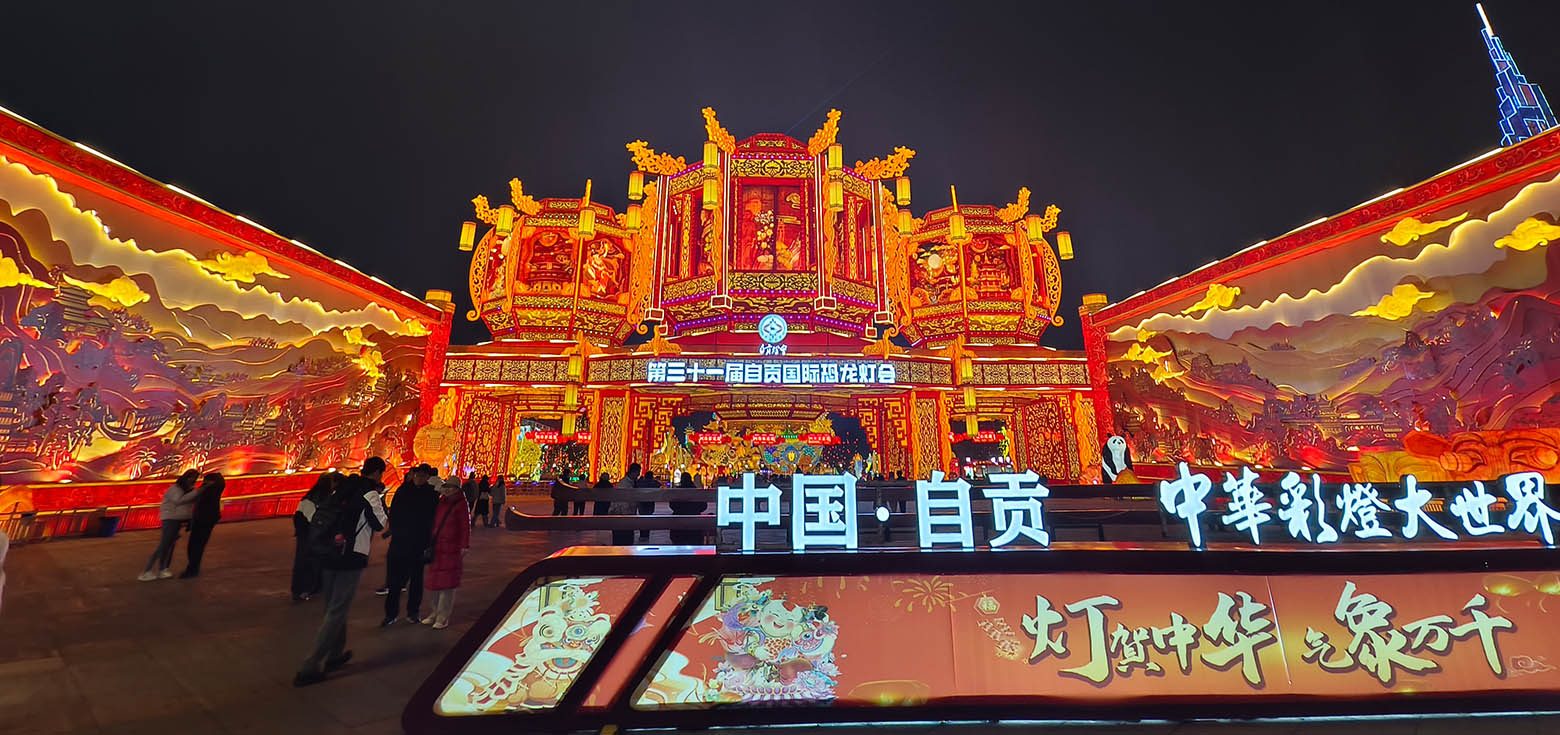
The Asian Lantern Festival, originating from China’s “Festival of Lights,” carries the cultural genes of reunion, brightness, and blessings. It has long since integrated with local cultures across Asia, evolving into celebrations that are distinct in form yet shared in spirit. This is not merely the spread of customs, but a vivid history of cultural adaptation and re-creation.
♦ Core Observation: From rigorous agricultural prayers to romantic social gatherings, the same festival core has catalyzed diverse cultural expressions across Asia, embodying the civilization wisdom of “harmony in diversity.”
Core Connotations and Traditional Foundations of the Asian Lantern Festival
The Lantern Festival, also known as the Shangyuan Festival or the Festival of Lights, is celebrated on the 15th day of the first lunar month, serving as the grand finale of the Lunar New Year festivities. Historically rooted in China, its core customs include admiring lanterns, guessing lantern riddles, eating Yuanxiao (sweet rice balls), and performing dragon and lion dances. These traditions spread to various parts of Asia through cultural exchange, blending with local customs to form unique Lantern Festival celebrations that enrich the cultural depth of the holiday.
Although Lantern Festival celebrations across Asia vary in form, they all reflect people’s yearning for light, reunion, and a better life. From Korea’s prayer rituals to Malaysia’s romantic customs, from Vietnam’s lantern extravaganzas to Indonesia’s cultural fusion carnivals, each country interprets this traditional festival in its own way, showcasing the diversity and richness of Asian culture.
A Detailed Look at Lantern Festival Celebrations Across Asia
1. South Korea: A Survival Ritual of Agricultural Civilization
Korea refers to the 15th day of the first lunar month as “Jeongwol Daeboreum” (The Great Full Moon of the First Month). Its celebration profoundly reflects the survival logic of a traditional agricultural society, centering on warding off evil, ensuring health, praying for harvest, and consolidating the community.
Signature Customs:
Burning the Moon House (Daljip Taeugi): People build cone-shaped “moon houses” out of pine branches and straw and burn them under the moonlight. This is not only a ritual to drive away bad luck but also a combination of fire worship and agricultural sorcery, as the ashes scattered into the fields are believed to enhance soil fertility and ensure a bountiful harvest.
Cracking Nuts and Sharing Ogokbap: In the early morning, people crack hard nuts like walnuts and peanuts (called “Bureom”) with their teeth, symbolizing strong teeth and a year free from disease. Eating “Ogokbap” (five-grain rice) and sharing it with neighbors reinforces the mutual aid relationships crucial in a fragile agricultural society.
Cultural Background: Korean Lantern Festival celebration is deeply influenced by Shamanism and farming culture. Almost every activity is directly linked to specific survival needs (health, harvest), forming a highly systematized procedure for New Year prayers, which differs significantly from the entertainment-focused lantern viewing in China.

2. Japan: Ancient Remnants of New Year Rituals
After the Meiji Restoration adopted the Gregorian calendar, Japan’s traditional celebration on the 15th day of the first lunar month transformed into “Koshōgatsu” (Little New Year) around January 15th. It marks the end of New Year rituals, focusing on sending off the New Year gods, purifying the home, and praying for farming success.
Signature Customs:
Sagicho Fire Festival (Dondo Yaki): New Year decorations like Kadomatsu (pine gate) and Shimekazari (sacred rope) are burned in shrines or open fields. It is believed that the fire sends off the New Year gods and wards off disasters. The ashes are scattered around the home to ward off evil, and mochi (rice cakes) roasted in the fire are eaten for health.
Rich Agricultural Divination: Activities include “Gruel Divination” (Kayu-ura)—predicting the harvest by observing rice grains in porridge—and “Nariki-zeme” (Chiding the Tree), where people pretend to cut down fruit trees to force them to promise a good yield. These activities are full of personified fun in communicating with nature.
Cultural Background: “Koshōgatsu” is a vital part of Japan’s New Year system. Its customs retain the primitive appearance of ancient Chinese Shangyuan Festival sacrifices and exorcisms, deeply fused with indigenous Shinto beliefs and agricultural divination, evolving into family and community rituals with a rustic flavor and practical functions.

3. Vietnam: A Poetic Scene of Classical Aesthetics
Vietnam’s “Tết Nguyên Tiêu” fully inherits the Chinese tradition of the “Festival of Lights.” In the UNESCO World Heritage ancient town of Hoi An, it is elevated into an ultimate, immersive experience of classical aesthetics.
Signature Customs:
Hoi An Lantern Sea: On the night of the festival, the entire town of Hoi An tacitly turns off modern electric lights. In an instant, tens of thousands of handmade silk and bamboo lanterns light up ancient houses, covered bridges, and the Thu Bon River. People release river lanterns, and the candlelight reflections create a dreamlike realm of “oars and shadows,” praised by many travelers as the “most beautiful Asian Lantern Festival experience.”
Cultural Background: Vietnam’s celebration is not just a holiday but a concentrated display of national cultural identity and classical aesthetic taste. Hoi An’s approach deliberately strips away modern noise, aiming to restore and emphasize the pure poetry and historical sense of “light” in the festival, making it a unique cultural tourism asset.

4. Malaysia: Creative Rebirth of Tradition
In Malaysia’s diverse society, the Chinese community has endowed the Asian Lantern Festival with bold new meanings, successfully transforming it into a nationwide “Oriental Valentine’s Day.” It has completed a magnificent turn from a “family reunion day” to a “mass social and courtship event.”
Signature Customs:
Throwing Mandarins for Love: On the banks of rivers and lakes in places like Penang, single women write their wishes and contact information on mandarin oranges and throw them into the water, while single men use nets to scoop them up. This lively, straightforward, and game-like activity has become the most recognizable cultural symbol of the festival in Malaysia.
Cultural Background: This transformation is a model of localization and innovation in overseas Chinese culture. It keenly captured and amplified the latent function of the traditional festival—where lantern viewing provided a chance for men and women to meet—and adapted it to modern social needs.

5. Indonesia: A Boiling Carnival of Multiculturalism
In Indonesia, the festival is known as “Cap Go Meh” (Hokkien for “15th Night”). Especially in Semarang, Java, it has evolved into a grand carnival of religious and cultural fusion involving all people, transcending ethnic Chinese boundaries.
Signature Customs:
Semarang Diversity Parade: The parade is a cultural kaleidoscope: Chinese dragon and lion dances, Cheongsam formations, and models of Zheng He’s fleet compete on the same stage with indigenous Indonesian Angklung bamboo orchestras and Javanese warrior dances (Kuda Lumping). People of different ethnicities and faiths carry divine palanquins together to celebrate.
Cultural Background: Indonesia’s Lantern Festival celebration is a microcosm of global cultural fusion. It is not only a testament to the Chinese community’s adherence to tradition but also a perfect stage for showcasing Indonesia’s founding philosophy of “Bhinneka Tunggal Ika” (Unity in Diversity).

6. Singapore: Traditional Echoes in a Modern Metropolis
As one of the countries with the highest proportion of overseas Chinese, Singapore’s “Chap Goh Mei” is a systematic urban preservation and modern interpretation of traditional Chinese customs.
Signature Customs & Cultural Fusion:
Unique “Throwing Mandarins”: Following the same vein as Malaysia, the festival is also seen as the “Oriental Valentine’s Day.” The custom of “throwing mandarins for love” has become an interesting social ritual in modern times.
Highly Systematized Festivities: The Lunar New Year atmosphere reaches its climax during the Lantern Festival. Chinatown and Gardens by the Bay host large-scale lantern fairs with distinct themes. Activities like stilt walking and riddle guessing are widely organized in communities and malls with mature planning.
Ritual & Auspicious Culture:
Seven-Color Tangyuan: Eating Tangyuan (sweet rice balls) is crucial. Singapore’s unique “Seven-Color Tangyuan” takes auspicious culture to the extreme: each color represents a different blessing (e.g., pink for romance, yellow for wealth), and they are eaten in even numbers to symbolize “good things come in pairs.”
Cultural Highlight: Singapore’s Asian Lantern Festival demonstrates how a multi-ethnic society transforms traditional customs into a highly organized, commercially viable, and ritualistic cultural lifestyle through a festive industry.

7. Thailand: A Spiritual Resonance of the Universe
Although the calendar differs, Thailand’s Loy Krathong (Festival of Lights) resonates highly with the spiritual core of the Asian Lantern Festival. Both occur on the most important full moon night of the year, using the act of “releasing lights” to complete gratitude, repentance, and prayer to nature, the inner self, and the universe.
Signature Customs:
Releasing Water Lanterns (Krathong): People place beautifully crafted banana leaf boats filled with candles, incense, and flowers into rivers and lakes to thank the Water Goddess for life and to symbolize floating away troubles and sins.
Releasing Sky Lanterns: In Chiang Mai, thousands of sky lanterns (Khohm Loi) ascend simultaneously, resembling a galaxy flowing backward. It is a sacred ritual delivering collective prayers and hope directly to the sky.
Cultural Background: While Loy Krathong originates from Hindu rituals and local river worship, its similarity to the Lantern Festival reveals the universality of human emotions (gratitude, hope, purification) when facing nature.

Modern Development and Cultural Significance of the Asian Lantern Festival
Lantern Festival celebration in Asia is maintaining its traditional core while constantly adapting to modern society, showing powerful vitality.
From Traditional Festivals to Tourism Cards: Many countries’ events have developed into key cultural tourism resources. The Hoi An Lantern Festival in Vietnam, the mandarin throwing in Malaysia, and the parades in Indonesia attract massive tourist crowds, boosting local economies.
Modernization and Innovation: Traditions continue through innovation. Malaysia’s mandarin throwing has expanded to online interactions; drone light shows and immersive light experiences are integrating with traditional lantern fairs, injecting new life into the ancient holiday.
Cultural Identity & Community Cohesion: For overseas Chinese communities, Asian Lantern Festival activities are vital for maintaining cultural roots. Simultaneously, these events promote understanding between different ethnic groups, serving as vivid embodiments of harmony in multicultural societies.
Conclusion: Shared Aspirations Amidst Cultural Diversity
The celebrations across Asia resemble a brilliant cultural mosaic. From Korea’s systematic rituals, Japan’s rustic fire festivals, and Vietnam’s classical poetry to Malaysia’s romantic gatherings, Indonesia’s melting pot, Singapore’s urban echoes, and Thailand’s natural resonance—behind these diverse forms lies a shared aspiration for family reunion, community harmony, and a bright future.
These rich Lantern Festival celebrations not only showcase the diversity of Asian culture but also reflect the vivid history of cultural interaction. As times change, the forms of celebration innovate, yet the core values—the pursuit of light, hope, and reunion—remain constant.
By understanding the Asian Lantern Festival across these nations, we appreciate the charm of multiculturalism and feel the universal human pursuit of a better life. This unity of cultural diversity and shared values is the most moving charm of the festival.