


Under the Full Moon: A Deep Dive into Mid Autumn Festival Traditions
- ForestPainting
The Mid Autumn Festival is one of the most significant holidays in Chinese culture, rivaled only by the Lunar New Year. For centuries, people have observed various Mid Autumn Festival traditions on the 15th day of the eighth month of the lunar calendar, a time when the moon is believed to be at its fullest and brightest.
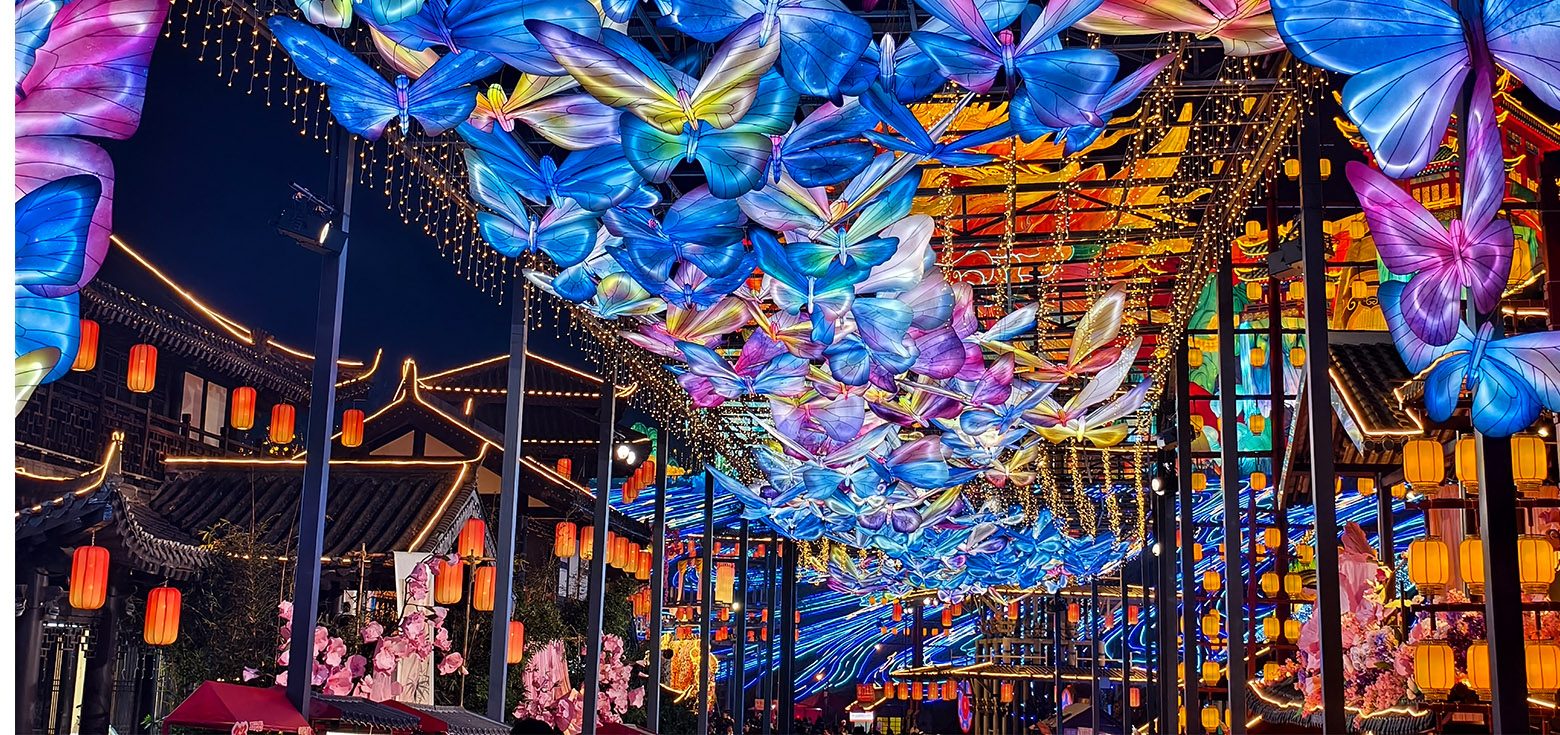
The glowing moon serves as the visual centerpiece of any genuine Mid Autumn Festival celebration, often accompanied by the warm glow of traditional Mid Autumn Festival lanterns illuminating the autumn night. Exploring these ancient practices, understanding the core Mid Autumn Festival customs, and participating in seasonal Mid Autumn Festival activities offers a fascinating window into agricultural history, regional folklore, and the enduring human desire for family reunion.
A Brief History: The Agricultural Roots
Long before it became a holiday associated with romantic myths and intricate pastries, the festival was deeply rooted in the rhythms of farming. In ancient China, autumn was the ultimate season of harvest. Emperors of the Zhou Dynasty (1046–256 BCE) began the practice of worshipping the moon in autumn. They offered sacrifices to the heavens to express gratitude for a bountiful harvest and to ensure the prosperity of the land for the coming year.
Over time, this royal and solemn practice trickled down to the common people. By the Tang Dynasty (618–907 CE), moon gazing had transitioned from a sacrificial ritual to a popular social event. Scholars and poets would gather to drink wine, compose poetry, and admire the luminous sky. Today, while the romantic myth of the Moon Goddess Chang’e and her Jade Rabbit is widely told to children, the foundation of every Mid Autumn Festival celebration remains grounded in its agricultural origins: giving thanks, gathering with loved ones, and sharing the literal and metaphorical fruits of the season.
Core Mid Autumn Festival Customs in China
The true beauty of the festival lies in how these ancient practices seamlessly integrate into modern life. While the skyline of Chinese cities is now dominated by steel and glass, the core Mid Autumn Festival customs remain remarkably intact, passed down through generations.
Mooncakes: The Quintessential Treat and Gifting Culture
You simply cannot discuss Mid Autumn Festival traditions without mentioning the mooncake (yuebing). These dense, round pastries symbolize completeness, perfection, and family reunion.
In contemporary China, mooncakes represent a massive gifting culture. Weeks before the holiday, friends, families, and business partners exchange elaborately packaged boxes of mooncakes to show respect and strengthen relationships. The variations reflect China’s incredibly diverse culinary landscape:
Cantonese-Style: The most globally recognized version. It features a chewy, golden-brown crust pressed into intricate wooden molds. The filling is usually a rich lotus seed paste or sweet red bean, often hiding one or two salted duck egg yolks in the center to visually represent the full moon.
Suzhou-Style: Popular in the Jiangnan region, these feature a flaky, layered pastry crust—similar to Western puff pastry—and are typically filled with savory minced pork. They are best served hot straight from the oven.
Snow-Skin Mooncakes: A modern invention from Hong Kong. These are not baked; instead, they feature a soft, mochi-like exterior made from glutinous rice. Served cold, they are filled with lighter ingredients like fruit, matcha, or custard, appealing heavily to younger generations.

Family Reunions, Tea Ceremonies, and Moon Gazing
The Chinese word for reunion, tuanyuan, shares the identical character for “round.” On the night of the festival, families make immense efforts to travel home and gather for a lavish reunion dinner.
After the feast, the most essential of all Mid Autumn Festival activities begins: moon gazing. Families move outdoors to a courtyard, a balcony, or a local park. They set up small tables offering mooncakes, sliced fruits (like watermelon cut into lotus shapes), and freshly brewed tea. The slight bitterness of traditional Pu’er or Oolong tea perfectly balances the dense sweetness of the mooncakes. This practice is tied to a deeply philosophical concept: no matter where you are in the world, you are looking up at the exact same moon as your loved ones.

The Evolution of Lantern Displays and Illumination
Lighting lanterns is a visually striking element of the holiday that captivates international audiences. Historically, children in southern China would hollow out pomelo skins, carve simple geometric patterns into the rind, and place a small candle inside. Others would carry traditional handmade paper lanterns shaped like rabbits, toads, or simple spheres through their neighborhoods.
Today, this tradition has scaled up into breathtaking visual spectacles. If you delve into the evolution of Mid Autumn Festival lanterns, you will find that many cities, botanical gardens, and theme parks now celebrate by installing elaborate, large-scale luminous displays. Master artisans use steel wireframes and colorful silk to craft towering installations. These modern structures blend traditional folklore imagery—such as giant glowing dragons, Chang’e floating to the moon, and massive lotus flowers—with modern LED lighting and animatronics, transforming urban spaces into immersive, magical nighttime experiences.

Sipping Osmanthus Wine
In September and October, the sweet-scented osmanthus flower blooms across China, filling the autumn air with a distinct, apricot-like fragrance. Naturally, integrating this flower into the menu became one of the most beloved Mid Autumn Festival customs. Drinking osmanthus wine—a sweet, golden, low-alcohol beverage infused with these tiny yellow flowers—is a highly traditional practice. It represents drinking in the sweetness of life and praying for longevity and family prosperity.
Regional Culinary Delights
Beyond the universal mooncake, different regions have highly specific foods reserved for this day.
In southern China, eating Pomelo (youzi) is essential. The word sounds similar to “to bless the children,” making the fruit a symbol of family blessing.
In the Jiangnan region (around Shanghai and Zhejiang), autumn is the exact season when hairy crabs and river snails are at their fattest and most flavorful. Steamed hairy crabs, paired with warm yellow wine, are absolute staples on the reunion dinner table.
Unique Local Activities Across China
While eating and moon-gazing are universal, some highly localized Mid Autumn Festival activities are fiercely protected by their communities:
The Tai Hang Fire Dragon Dance (Hong Kong): In the 19th century, villagers miraculously stopped a plague by performing a fire dragon dance. Today, this has evolved into a spectacular, roaring event. A 67-meter-long dragon, covered entirely in thousands of burning incense sticks, is paraded through narrow streets by over 300 performers amidst beating drums and thick, fragrant smoke.
The Hanfu Movement: In recent years, a massive trend among Gen Z involves dressing up in Hanfu (traditional Han Chinese clothing). Young people gather in historical parks carrying vintage lanterns, playing traditional instruments, and recreating the poetic elegance of the Tang and Song dynasties.
Tide Watching (Zhejiang): The gravitational pull of the full moon creates massive tidal bores on the Qiantang River. Crowds gather safely along the riverbanks to witness the sheer, thunderous force of nature.


How the Mid Autumn Festival Celebration Extends Globally
As Chinese communities migrated around the world, they brought the festival with them, while neighboring countries developed their own distinct harvest festivals based on similar lunar cycles.
Southeast Asia: A Festival of Light and Youth
In Vietnam, the holiday is known as Tết Trung Thu and functions almost entirely as a children’s festival. The focus is heavily on youth, with children carrying brightly colored star-shaped lanterns and watching lively lion dances in the streets.
In countries with large Chinese diasporas, such as Singapore and Malaysia, the Mid Autumn Festival celebration is an extravagant public affair. City centers and iconic locations like Gardens by the Bay are transformed by massive public lantern displays. Night markets bustle with vendors selling hundreds of varieties of mooncakes, turning these areas into vibrant hubs of cultural exchange.
East Asia: Parallel Harvest Festivals
While not directly celebrating the Chinese legend, neighboring countries have parallel autumn festivals. Korea celebrates Chuseok, a major three-day harvest holiday. Millions travel back to their ancestral hometowns to perform memorial services and eat songpyeon (pine-needle steamed rice cakes). Japan observes Tsukimi (moon-viewing), decorating homes with autumn pampas grass and eating round rice dumplings while offering sweet potatoes to the autumn moon.
Chinatowns Across the West
From San Francisco to London, Chinatowns across the Western hemisphere keep these ancient traditions alive. They host weekend street fairs, vibrant lantern parades, and cultural exhibitions. For the diaspora, participating in these Mid Autumn Festival activities is crucial for cultural preservation. It allows younger generations born overseas to connect with their heritage through the taste of lotus paste, the rhythm of the dragon dance, and the sight of glowing lanterns.

Conclusion: A Festival of Light and Reunion
Despite the rapid modernization of global society, the core of this autumn festival remains remarkably unchanged. Whether a family is eating a traditional Cantonese mooncake in a historic Beijing courtyard, carrying a star lantern in the streets of Hanoi, or admiring a massive illuminated display in a modern city park in Singapore, the overarching intention is identical.
Maintaining these Mid Autumn Festival traditions provides a dedicated pause in our busy lives. It is a moment to appreciate the harvest, honor family roots, and look up at the full moon, comforted by the thought that loved ones everywhere are sharing the exact same gentle light.