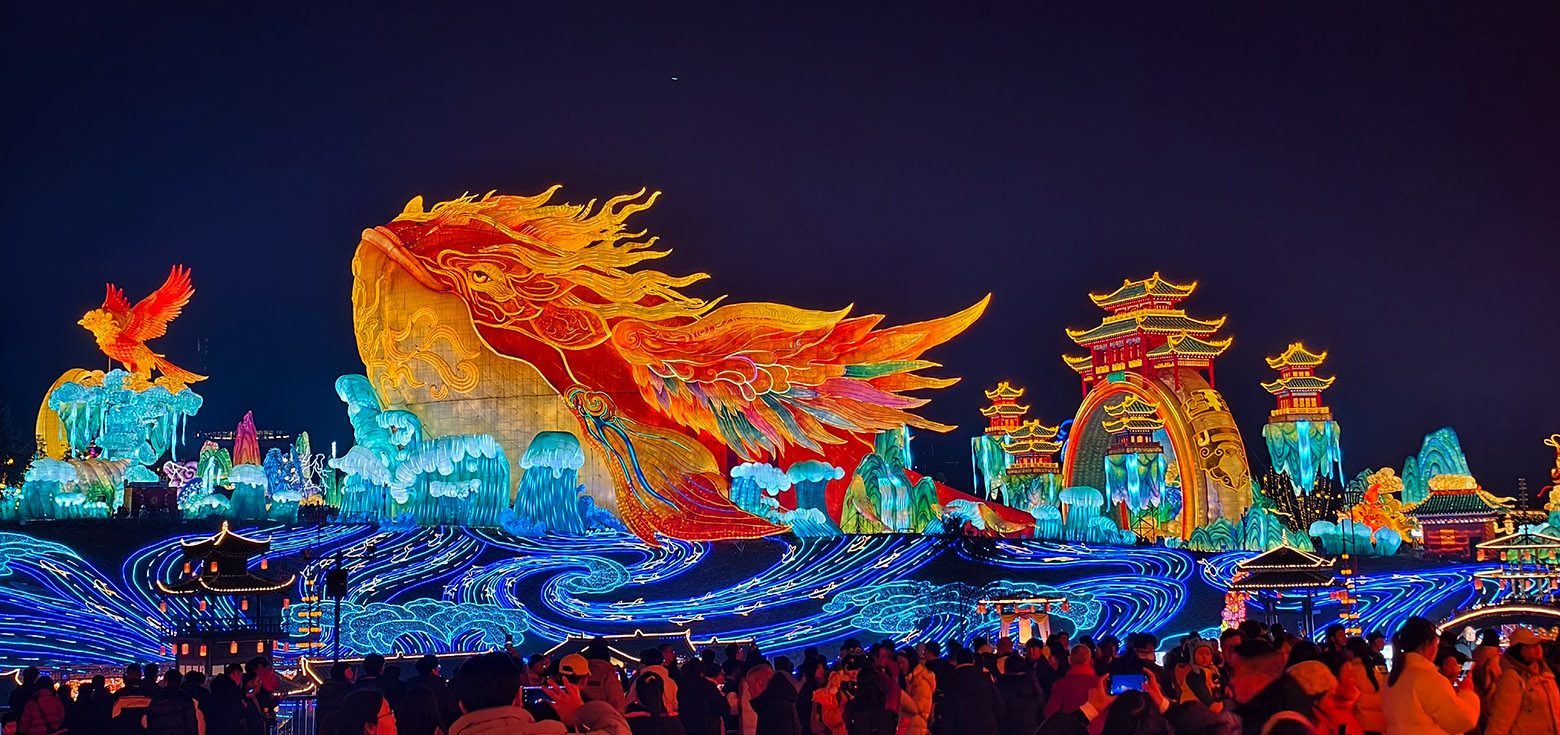
Hosting a Mid Autumn lantern festival is rapidly becoming the most effective strategy for international theme parks, botanical gardens, and historical estates to capture the lucrative autumn tourism market. As traditional seasonal events face severe market saturation and demographic limitations, venue directors are actively seeking inclusive, visually spectacular alternatives. Transforming a standard daytime venue into a month-long immersive night walk allows operators to double their daily operating hours.
A well-executed Mid Autumn lantern festival drastically increases both ticket sales and secondary F&B revenue streams. By strategically integrating high-quality Mid-Autumn lanterns into your landscape, you create a signature cultural attraction. This comprehensive guide details the essential spatial planning, engineering parameters, logistics, and operational strategies required to execute a flawless exhibition.
1. Spatial Planning for Autumn Lantern Displays
The foundation of a highly profitable night event lies in sophisticated spatial efficiency and meticulous crowd control. A successful layout must balance breathtaking visual impact with safe visitor flow, ensuring guests remain engaged.
Thematic Pacing: Exhibits should never be randomly clustered. They must be strategically spaced every 40 to 60 meters along the main pathway. This calculated rhythm of Autumn lantern displays maintains a continuous storytelling narrative, keeping guests engaged while preventing dangerous overcrowding. Main pedestrian pathways must remain at least 3 to 4 meters wide to comfortably accommodate peak weekend foot traffic.
Aesthetic Anchors: To drive organic social media marketing, venues must utilize towering Moon festival lanterns, such as 6-meter-tall glowing lotuses or mythical rabbits, as primary photography anchors. When positioned near lakes or large fountains, the visual volume of these Moon festival lanterns doubles perfectly in the reflection at zero additional cost.
3. The 90-Day Production Timeline
Partnering with an agile, direct manufacturer makes a 90 to 120-day timeline highly practical. For a Mid Autumn lantern festival launching in mid-September, initiating your project in May guarantees success:
Weeks 5-8: Production enters the fast lane. Skilled artisans focus on CNC steel frame shaping, anti-rust painting, LED wiring, and the meticulous manual silk color-separation processes.
4. Maximizing Commercial ROI
A visually stunning Mid Autumn lantern festival must be paired with smart operational strategies to maximize the venue’s return on investment. Implement VIP early access or photographer hour tickets, allowing guests to enter the venue at dusk before the main crowds arrive. This captures the premium demographic looking for the perfect twilight lighting.
Keep visitors on-site longer by integrating themed food and beverage stations near the largest Autumn lantern displays. Selling autumn-themed treats, hot beverages, and glowing merchandise at the end of the trail capitalizes on the elevated mood of the guests, driving secondary revenue to unprecedented levels.
Driving Long-Term Autumn Revenue
Executing a spectacular nighttime exhibition is a powerful, proven method to redefine your venue’s seasonal identity and drive substantial revenue. By prioritizing a rigorous engineering setup, adhering to an agile 90-day timeline, and understanding secure logistics, organizers secure a massive competitive edge. A successful Mid Autumn lantern festival is a catalyst for commercial growth. Start your procurement process this May, and illuminate your city this September.